Electrical Services in Saint Paul, MN
Local Electrician Expertise
In Summit Hill and throughout Saint Paul, MN, residential and commercial properties need electrical work that respects their unique building age and requirements. This page covers essential electrician services, from panel upgrades to emergency repairs, tailored to Saint Paul neighborhoods with historic homes, modern apartments, and mixed-use commercial spaces. Whether your Victorian home on Grand Avenue needs rewiring, your downtown condo requires outlet upgrades, or your commercial property demands safety compliance, understanding what electrical work entails helps you make informed choices and book with confidence.
How We Work
A clear process from inspection through completion
Our Approach
Electrical work in Saint Paul requires attention to local codes enforced by the Department of Safety and Inspections. We follow the National Electrical Code (NEC) standards and ensure all work meets Saint Paul's permit and inspection requirements. Clear communication at each step prevents surprises and keeps your property safe.
Assess Your Needs
We listen to your electrical concerns and inspect the affected area to understand the full scope. Older homes in Como and Dayton's Bluff often need careful evaluation.
Explain Options
You'll learn what work is needed, why it matters, and what it involves. We respect that you may need to check references or schedule at your convenience.
Obtain Permits
Most electrical work in Saint Paul requires a City permit. We handle the application and arrange inspections so you don't have to contact DSI directly.
Perform the Work
We install wiring, equipment, and fixtures per code requirements. All materials are listed and labeled by certified testing labs, as required by Saint Paul rules.
Schedule Inspections
City inspectors verify rough-in and final work. Rough-in must occur before walls are closed. We schedule calls between 7:30 am and 9:00 am on weekdays as required by Saint Paul.
Final Approval
Once the inspector approves your work, the permit is closed and your property is officially compliant with current electrical code.
You'll always know what's happening next—and when.
Our Services
Electrical work across residential, commercial, and farm properties
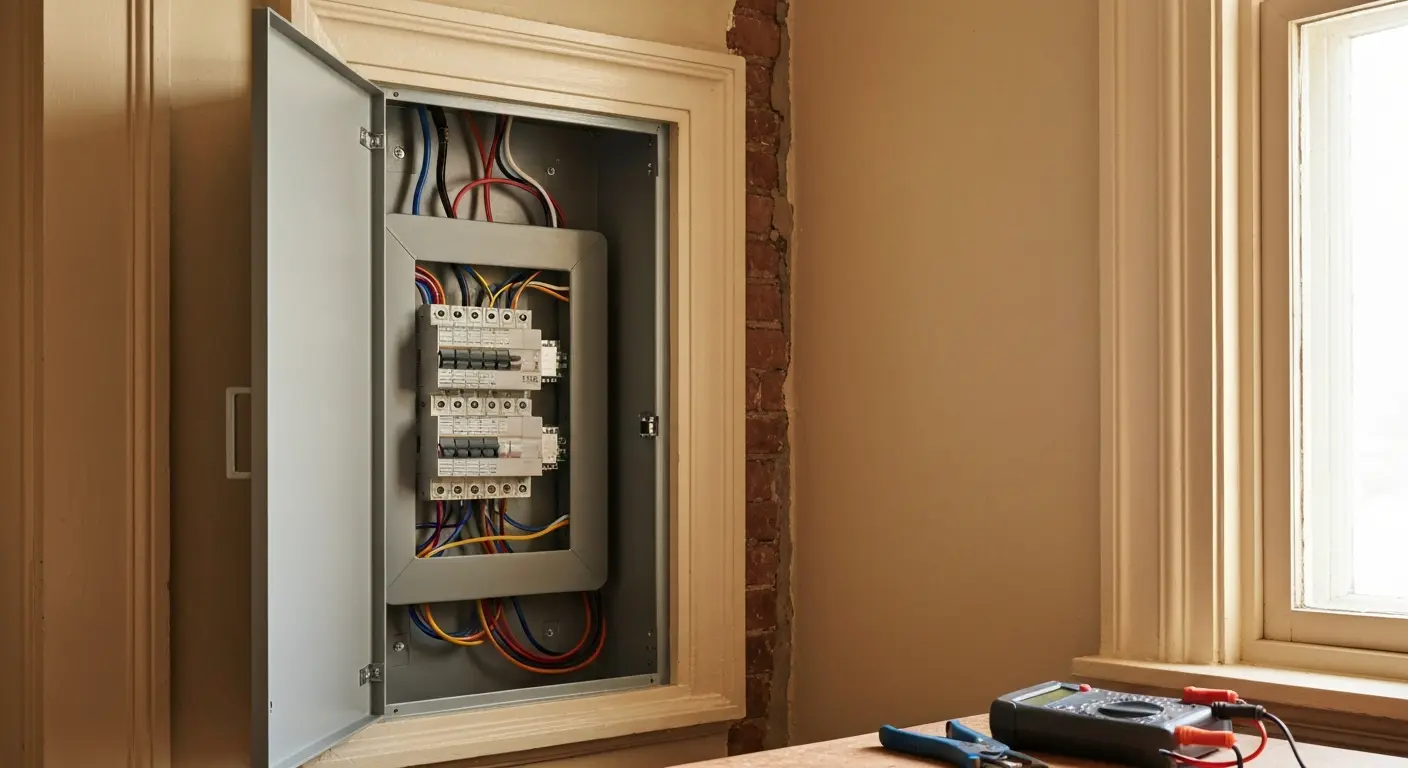
Electrical panel upgrade in Summit Hill Victorian
Panel Upgrades & Service Work
Saint Paul homes built before 1990 often have 100-amp or undersized panels. Adding circuits for modern appliances, electric heating, or home offices requires panel capacity. We evaluate your service entrance and upgrade to 200 amps where needed, keeping all work compliant with 2023 NEC code.
Commercial buildings downtown and near Lowertown also benefit from service upgrades when expanding operations or adding equipment.
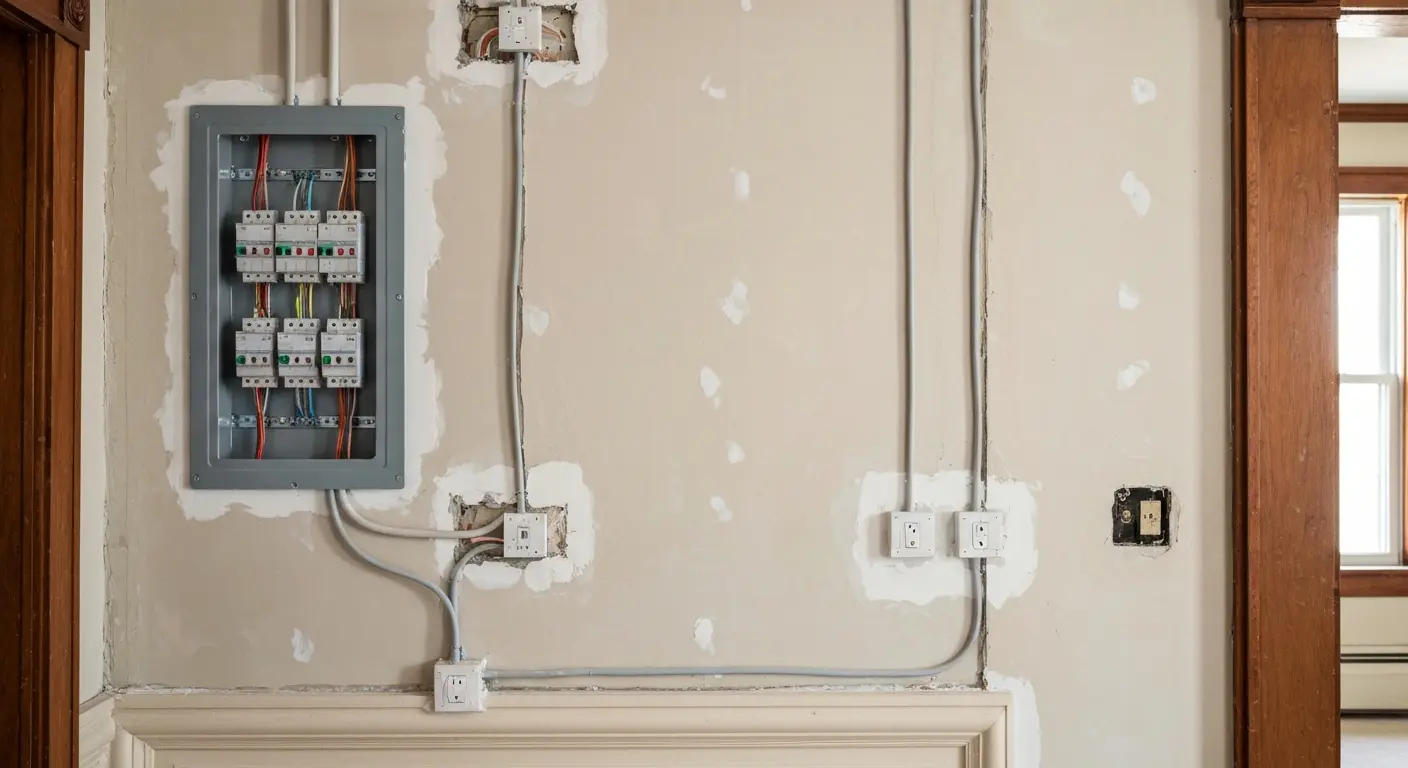
Full rewiring in Dayton's Bluff residence
Rewiring & New Wiring
Older homes with knob-and-tube or aluminum wiring need replacement. Rewiring protects against fire and meets code. Newer construction or additions require new circuits run through walls and ceilings. Our work respects your home's structure and finishes.
Farms in the metro area often need extended runs to barns or equipment; we run conduit and wire rated for those distances and voltage.
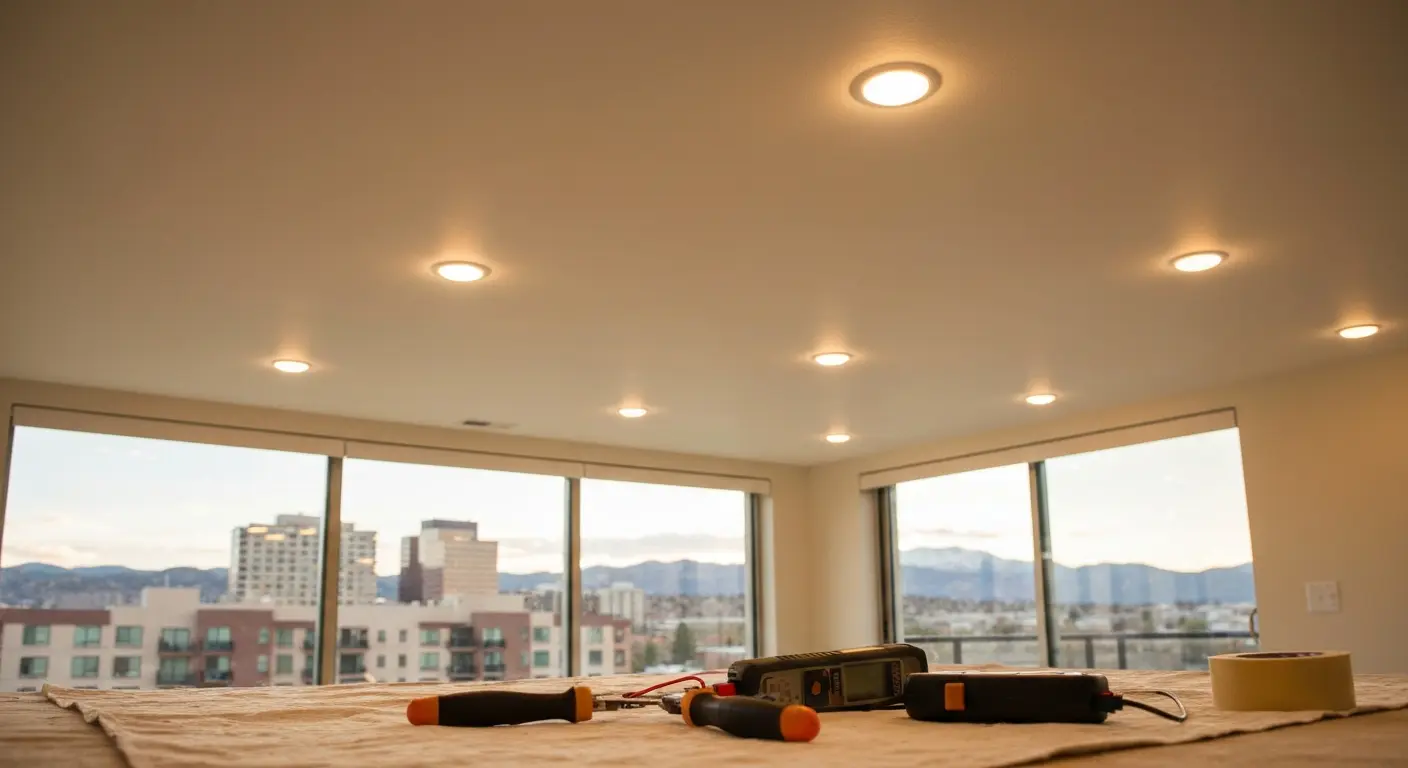
Recessed lighting installation in West 7th condo
Lighting Installation & Repair
Recessed lights, wall sconces, ceiling fans, and track lighting all require proper wiring and support. Code rules for closet lighting (Type IC rated fixtures) and damp locations prevent hazards. We replace fixtures, repair broken switches, and install dimmer controls.
Downtown retail and office spaces often upgrade to LED systems for efficiency and aesthetics.
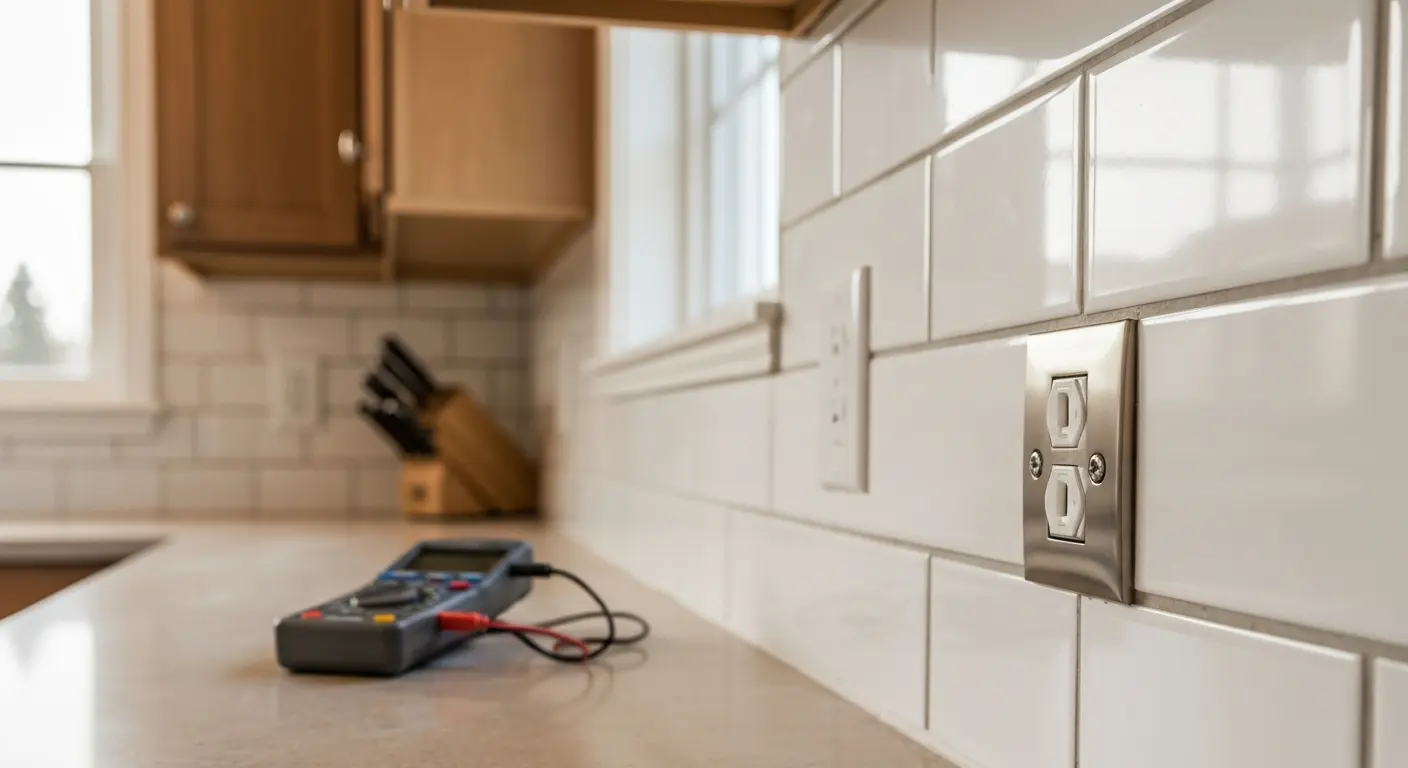
GFCI outlet installation in Como kitchen remodel
Outlets & Switch Installation
Kitchens need GFCI (ground-fault) outlets; bathrooms and exterior areas do too. Outlet spacing must follow code: no more than 6 feet apart in habitable rooms. We add outlets where you need them and ensure proper grounding and bonding.
Three-way switches, USB-integrated outlets, and smart switches are also available for new or updated installations.
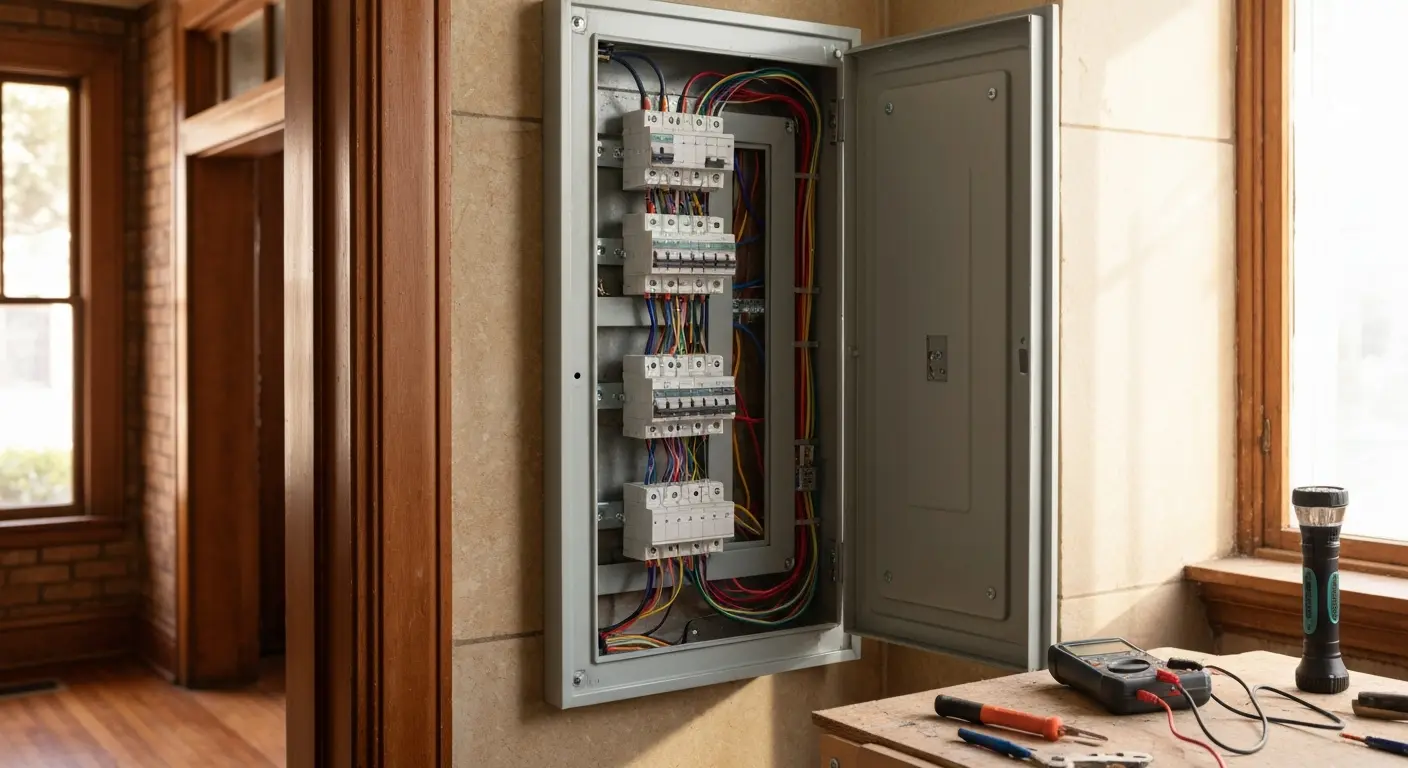
Circuit breaker repair in Highland Park home
Emergency Repairs & Troubleshooting
Tripped breakers, flickering lights, dead outlets, or burning smells need immediate attention. We diagnose the problem—overloaded circuits, damaged wiring, or equipment failure—and fix it safely. Emergency calls available when you need them.
North End and East Side areas experience older wiring issues; we're familiar with common failure patterns in these neighborhoods.
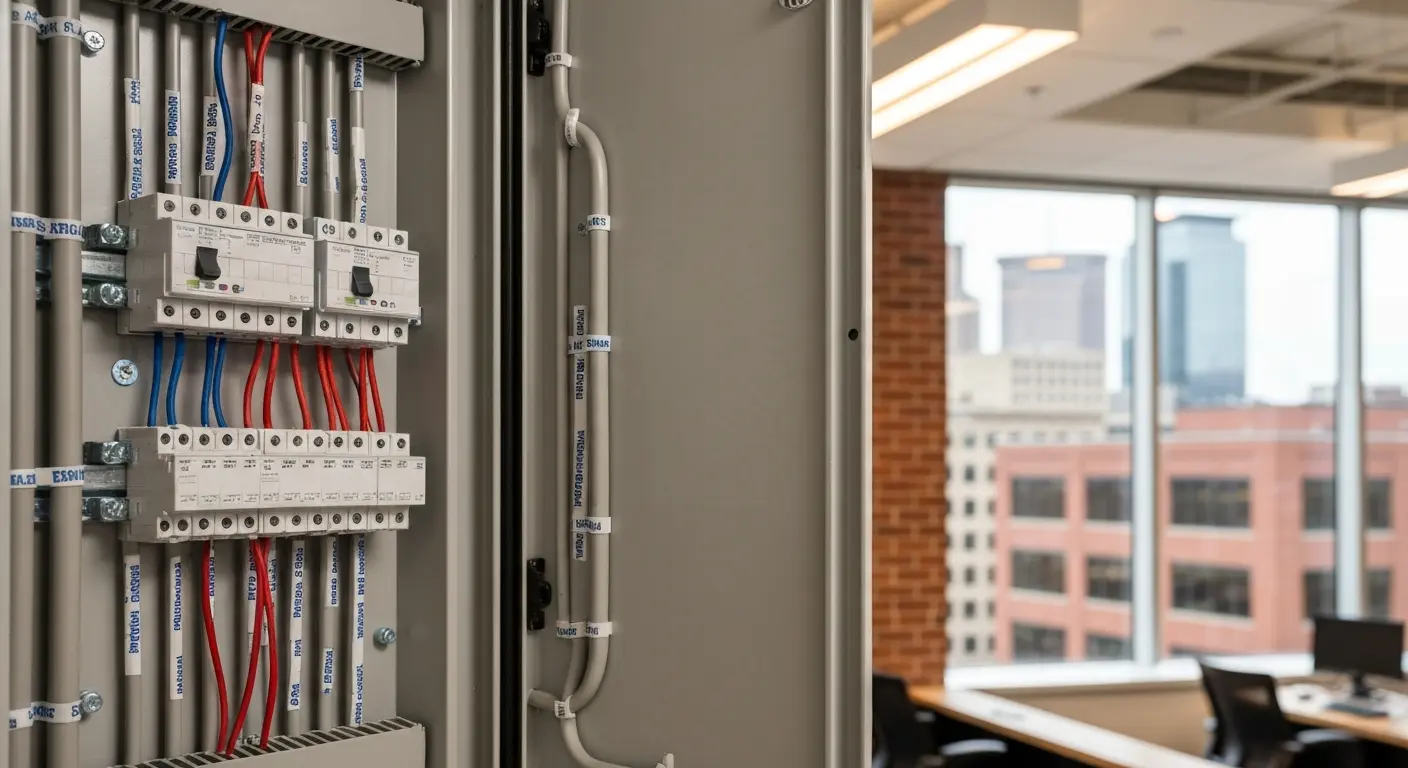
Commercial wiring in downtown Saint Paul office
Commercial Electrical Services
Restaurants, offices, medical facilities, and retail spaces have unique electrical demands. We install three-phase power, heavy-duty circuits, and specialized equipment per commercial code. Fire alarm and emergency lighting systems also fall within our scope.
Historic buildings downtown (Lowertown, Cathedral Hill) require special care to preserve character while modernizing systems.
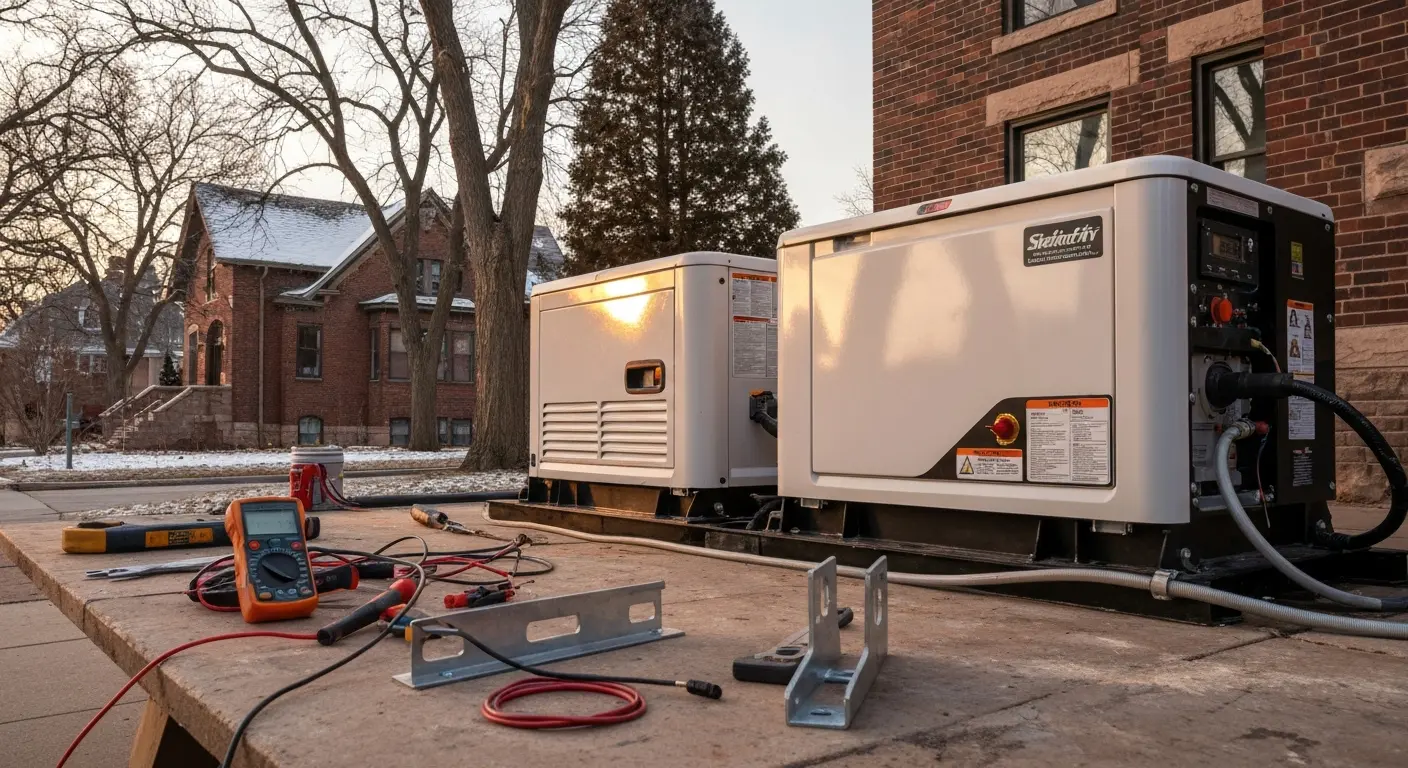
Standby generator installation in Macalester-Groveland
Generator Installation & Repair
Backup generators protect homes and businesses when grid power fails. We size, install, and wire generators with automatic transfer switches. Regular maintenance keeps units ready. Gas or propane fuel options available depending on your setup.
Minnesota winters and spring storms make backup power valuable in all Saint Paul neighborhoods.
Why Local Expertise Matters
23 years serving residential, commercial, and farm electrical needs
Historic Home Wiring: Victorian homes in Summit Hill and West 7th often have outdated or unsafe wiring. We understand the layout, materials, and code path for these homes.
Saint Paul Permits & Inspections: We work with DSI inspectors weekly. We know code requirements, permit timelines, and inspection schedules for all work types.
Diverse Neighborhoods: From Como's suburban feel to downtown's tight spaces, we adapt our approach to each area's unique demands and access challenges.
Code Compliance & Safety
Saint Paul enforces the 2023 National Electrical Code for all residential and commercial work. Service panels must allow clear egress and safe working space. Wiring must be concealed before walls close or be protected with covers. All fixtures and appliances must be listed and labeled by an approved testing lab.
We ensure every job meets current code and passes City inspection on the first attempt.
Electrical Code & Permit Basics
What to know before your project starts
When You Need a Permit
All new electrical wiring in Saint Paul requires a permit. Panel upgrades, rewiring, new circuits, outlets, switches, lighting, and generator work all need permits. This includes interior and exterior work on residential, commercial, and farm properties. Homeowners can do their own work but still need a permit.
Simple repairs like replacing a light bulb or outlet cover don't require permits. Anything involving new wiring, circuits, or equipment does.
Inspection Steps
After a permit is obtained, rough-in inspection must occur before wires are covered by walls or insulation. The inspector checks that all wiring is properly spliced, grounded, and supported. Once approved, interior surfaces can be closed. A final inspection after all fixtures and equipment are connected ensures code compliance.
We schedule inspector calls between 7:30 am and 9:00 am on weekdays as required by City rules.
Key Code Rules You'll See
- Receptacle spacing: In habitable rooms, no point on the floor can be more than 6 feet from an outlet. Kitchens need two separate 20-amp small appliance circuits for countertop outlets.
- Grounding: All outlets and circuits must be properly grounded. Metal boxes, conduit, and equipment frames are bonded together to create a safe path for fault current.
- Wire protection: Nonmetallic cable must not be closer than 1.25 inches to the edge of framing. Cables closer than that need metal protection plates.
- Closet lighting: Fixtures in closets must be Type IC rated (insulated contact) if within 12 inches of combustible materials like clothing.
- Panel access: Service panels must not be in bathrooms or near easily ignitable materials. Clear working space in front must be at least 3 feet wide and 6.5 feet tall.
Serving Saint Paul & Nearby Areas
23 years of electrical work across Minneapolis-St. Paul
We serve residences, businesses, and farms throughout Saint Paul and the Twin Cities metro. Whether you're in historic neighborhoods like Dayton's Bluff and Summit Hill, suburban areas like Como and Battle Creek, or downtown and Lowertown commercial spaces, we know your neighborhood and its electrical needs.
Historic Neighborhoods
Summit Hill, West 7th, Macalester-Groveland, and Crocus Hill homes built in the late 1800s and early 1900s benefit from our expertise with period wiring and careful restoration approaches.
Residential Areas
Como, Highland Park, North End, Saint Anthony Park, and East Side neighborhoods see steady demand for rewiring, panel upgrades, and new circuits for families and professionals.
Commercial & Downtown
Downtown, Lowertown, and Midway businesses trust us with office buildouts, restaurant wiring, and retail upgrades. We coordinate with architects and contractors on larger projects.
Farm Properties
South of Saint Paul in farm areas, we install wiring for barns, equipment, and livestock facilities. Long outdoor runs and heavy-duty circuits are our specialty.
Frequently Asked Questions
Do I need a permit for my electrical work in Saint Paul?
Yes. All new wiring, circuits, fixtures, panel upgrades, and equipment installation require a City permit. Simple repairs like bulb replacement do not. We handle the permit application for you.
What is a rough-in inspection and why does it matter?
Rough-in happens before walls are closed. The City inspector verifies that wiring is properly spliced, grounded, and supported per code. Once approved, you can safely cover the work. We schedule this call between 7:30 am and 9:00 am on weekdays as required.
Why does my old Saint Paul home need electrical panel upgrades?
Homes built before 1990 often have 100-amp panels designed for fewer appliances. Modern homes with heating, cooling, appliances, and electric vehicles need more capacity. We assess your usage and upgrade to 200 amps if required, keeping code compliance.
Can I do electrical work myself as a homeowner?
Homeowners can do work on their own residence but must apply for a permit and pass inspection. Unlicensed homeowners cannot work on two-family homes, apartments, rentals, or common areas. Many people choose to hire us to ensure code compliance and inspection success.
Are outlets and switches regulated by code?
Yes. Receptacles in habitable rooms must be no more than 6 feet apart measured from the floor. Kitchen outlets need GFCI protection. Bathrooms require GFCI. Outdoor outlets must be GFCI. Code also specifies minimum circuits and conductor sizes based on the load.
What are common electrical issues in historic Saint Paul homes?
Knob-and-tube wiring, aluminum branch circuits, undersized panels, and cloth-insulated wiring are common in homes from the early 1900s. These are fire hazards and not code-compliant. We often recommend full rewiring in homes with these systems, starting with the most-used areas.
DISCOVER WHAT OUR CUSTOMERS HAVE TO SAY ABOUT US
REVIEWS
proudly serving these areas
Minneapolis, MN
Saint Paul, MN
Bloomington, MN
Brooklyn Center, MN
Brooklyn Park, MN
Burnsville, MN
Coon Rapids, MN
Edina, MN
READY TO take the next step?
get a free quote TODAY!
QUICK LINKS
our services
service areas
operating HOURS
Mon: 8:00 am - 5:00 pm
Tue: 8:00 am - 5:00 pm
Wed: 8:00 am - 5:00 pm
Thu: 8:00 am - 5:00 pm
Fri: 8:00 am - 5:00 pm
Sat: Closed - Closed
Sun: Closed - Closed